
A lot of punters walk into a venue thinking the machine with the brightest lights is the one that pays. They settle in front of the cabinet with the biggest screen and the loudest chime, convinced the grilles are already loaded in their favour. Out past the harbour bridge on a Thursday night, the smoke still hangs low over the carpet and the regulars tap their cards with the same practiced rhythm their grandfathers used on the horses. The truth is uglier than the neon suggests, and the same old habit has followed half the crowd onto their phone screens. When they start hunting for popular pokie games with expanding wild, they bring the same blinkered logic with them and wonder why the bankroll thins out by closing time.
The move from the local RSL floor to a browser tab is less a leap than a quiet migration, and most of the habits survive the trip intact. A bloke who once measured a session in schooners and free spins now measures it in minutes and megabytes, but the impulse to chase a near-miss stays exactly the same. Sydney regulators keep a tight grip on the venues they licence inside the state, while the offshore machines that populate most Australian feeds sit outside that oversight entirely, which is a distinction worth holding in your head before you tap deposit. The screens look friendlier, the animations run smoother, and the paytable hides behind a single tap, yet the mathematics underneath those polished graphics has not been reformed by a new coat of paint.
The pub regular goes online
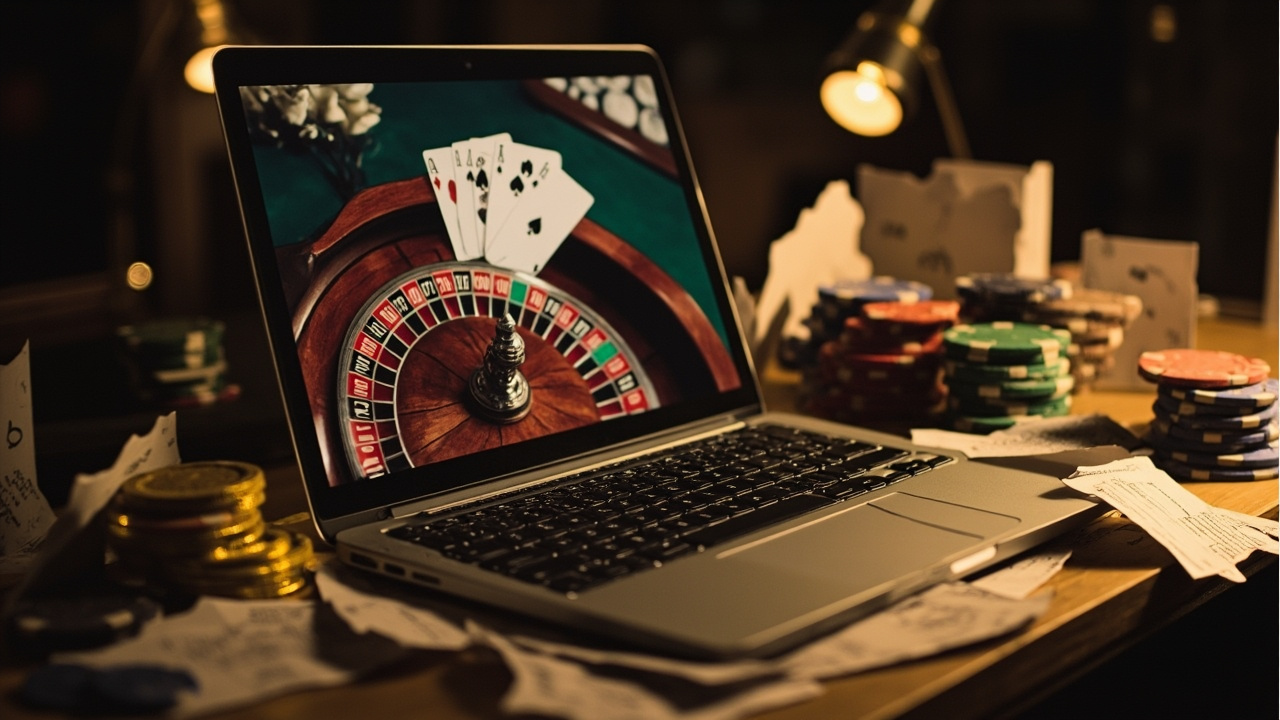
A regular who has spent a decade reading the tilt of a cabinet and the hum of the reel strip finds the online version both familiar and quietly alien. The first thing that changes is the pace, because a browser window does not demand a drink between spins and the queue for the machine does not exist, so a session that used to run forty minutes on the pub floor can stretch out without anyone noticing. The second thing that changes is the illusion of control, since a touchscreen lets you tap a button with the same casual certainty as ordering a pie at the servo, but the outcome is still settled before the animation finishes. A punter who treats the interface like a conversation rather than a display tends to lose the plot faster, because the screen is happy to mirror your confidence right up until the balance ticks down.
The transition works better when you carry over only the habits that survive scrutiny and leave the rest behind. A sensible approach is to pick one game, sit with it for a fixed stretch, and judge it on the feel of the base game rather than on a single hot run that may not repeat. The NSW Independent Liquor and Gaming Authority oversees the venues it licences inside the state, but the offshore titles that fill most Australian feeds sit outside that jurisdiction, so the comfort of a local stamp does not travel with you. You can still read the paytable, still watch the ways the symbols stack, and still decide when a run has turned cold, but you have to do the watching yourself because no barman is going to tap your shoulder and suggest a water.
What expanding wilds actually do
The feature gets its name from the way a single symbol can grow to fill a reel the moment it lands, and that growth can turn a line that looked dead into a paying combination in the same breath. The trick is that the expansion usually happens on the reel where the wild appears, not across the whole grid, so a single happy landing can pay out without rewriting the rest of the screen. A player who has watched enough pub pokies to know that a near-miss is just a near-miss tends to read the feature the same way here, as a momentary shift in the odds rather than a promise of a turnaround. The paytable usually lists the feature separately, and a sensible reading of it tells you whether the wild can expand more than once per spin or only on the first appearance.
A myth worth dismantling is the idea that an expanding symbol makes the machine kinder over time, as if the feature builds up a debt it is obliged to repay. The reels do not keep a ledger, and a string of non-expanding spins does not make the next one more likely to bloom, because each round is settled on its own terms and the animation is only dressing. The feature can still be entertaining, and it can still turn a quiet spin into a memorable one, but it is a momentary change to a single line, not a slow redistribution of luck across the session.
Reading the paytable before you play
A player who skips the paytable and starts tapping spin has already handed the session over to impulse, which is a poor way to begin any evening. The paytable tells you which symbols pay at which levels, whether the wild can substitute on any line or only on active ones, and what conditions have to be met before the feature can trigger again. A careful reading takes two or three minutes and saves the confusion of watching a feature fire and not knowing whether it was a random bonus or a locked-in trigger. The information is usually one tap away on the screen, and a punter who treats that tap as part of the ritual rather than a chore tends to walk away with a clearer picture of what they are actually buying into.
The details matter more than the gloss, because a feature that looks dramatic in the trailer can be modest in practice if the trigger is rare or the expansion is limited to a single reel. A player who judges the game by the size of the top prize alone is reading the headline and skipping the fine print, which is a habit that survives from the venue floor and pays the same price online. A better instinct is to look at the frequency of the feature, the way the wild behaves once it lands, and whether the base game holds enough interest to sit through the quiet stretches.
A Sydney frame for the session
A session framed by the city tends to run better than one framed by a jackpot, because a fixed window gives the evening a shape and keeps the balance from drifting into the small hours. A punter who starts at dusk from a terrace near Circular Quay and plays for the length of two films has a natural stopping point built into the plan, whereas a player who plays until the feature lands is playing until the maths says stop, which is a different and less comfortable discipline. The harbour lights do not improve the odds, but they do give the session a boundary, and a boundary is one of the few things a player can actually control. A sensible local frame is to pick a start time, pick an end time, and let the screen sit where it sits in between. Indaily
The same frame works on a weekday evening as well as a weekend, because the length of the session matters more than the day on the calendar. A player who treats a Tuesday night the same as a Saturday night tends to confuse volume with opportunity, and the confusion usually costs more than the extra hour is worth. A fixed window also makes it easier to notice when the game has turned cold, because a session with an end point gives you a moment to step back and read the balance instead of chasing the next spin into the dark.
Budgeting approaches side by side
The way a player divides the bankroll shapes the whole session, and the difference between a fixed plan and a loose one shows up before the first feature ever fires. A session that starts with a set amount and a set stop tends to run cleaner than one that keeps topping up on the fly, because the boundary is decided before the excitement has a chance to rewrite the rules. The table below lays out three common approaches and the trade-offs each one carries, so you can see what you are signing up for before you tap the first spin.
| Approach | How the bankroll is set | Where the stop comes from | Main trade-off |
|---|---|---|---|
| Fixed session stake | A set amount decided before logging in | A time or spin count chosen in advance | Less flexibility if the game turns interesting |
| Topped-up as you go | The balance is refilled when it dips | A feeling that the run has turned | Easy to blur the line between play and chasing |
| Per-spin limit | Each round is capped at a fixed fraction | The balance hits a pre-set floor | Slows the pace and can feel restrictive |
A player who picks the fixed session stake is trading flexibility for clarity, and the clarity usually pays off in the form of a cleaner exit. A player who tops up as they go is trading discipline for the comfort of staying in the game, which is a comfort that often arrives right as the balance is thinning. A per-spin limit slows everything down and can feel tight on a lively night, but it keeps a single hot run from eating the whole plan in a few minutes. Nit
How to settle on a session limit
A sensible limit is not a guess pulled out of the air, but a number that fits the evening you actually have in front of you. The first step is to decide the total amount you are willing to put toward the session and treat that figure as the ceiling, not as a target you have to spend. The second step is to divide that ceiling by the number of spins you expect to sit through, so the per-spin cost sits at a level that lets the session breathe instead of burning through in a rush. The third step is to pick a stop point that is tied to time or to a balance floor, because a stop that depends on how you feel tends to slip when the screen is busy. The fourth step is to write the limit down somewhere you can see it, since a number that lives only in your head has a habit of stretching when the animation is loud.
A player who follows those steps is not guaranteeing a win, because no arrangement of stakes and stops does that, but the player is giving the session a shape that makes the outcome easier to read. The discipline is boring on a good night and useful on a bad one, which is exactly why it tends to survive longer than the excitement around a single feature. A limit that is set before the first spin and checked before the last one is one of the few tools a punter can actually carry from the pub floor to the browser.
Moving from the venue to the browser
The move online changes the scenery more than the mechanics, and a regular who remembers that fact tends to keep both feet on the ground. The screen is quieter, the carpet is gone, and the machine no longer sits beside the bar, but the reel strip still settles on its own terms and the balance still ticks down when the line does not pay. A player who treats the browser tab like a new venue rather than a new game keeps the same caution that served on the pub floor, and that caution is one of the few things that travels cleanly across the change. The feature you are chasing may look brighter on a phone, but the mathematics underneath it has not been redecorated. oz win casino
A player who reads the paytable, sets a limit, and picks a fixed window is giving the session a structure that the screen cannot provide on its own. The harbour lights are still there if you step away, the evening still has an end, and the balance still tells the truth if you let it. A feature that expands on the reel can still turn a quiet spin into something worth remembering, but it is still a feature, not a promise, and the distinction is the one that keeps the session tidy.
When the run goes quiet
A quiet run is not a signal that the machine is due, and a player who reads it that way is reading a ledger that does not exist. The reels do not remember the last ten spins, and a string of losses does not make the next feature more likely to land, no matter how loudly the screen suggests otherwise. A player who steps back when the run goes flat and lets the evening end on its own terms is usually the one who walks away with the balance still intact. The harbour settles as the night runs on, the lights on the water go dimmer, and a session that ends because the window closed is a session that ended on a choice rather than a chase.
A player who treats the quiet stretch as part of the game rather than a problem to solve tends to keep the evening readable from start to finish. The feature may still fire, and it may still expand, but the session is no longer riding on whether it does, which is a cleaner place to be when the screen finally goes dark.