
The allure of chance and risk
The thrill of gambling at casinos is deeply rooted in human psychology. Players are often drawn to the idea of winning big, which can create a euphoric state of mind. This allure stems from the unpredictability of games, where a single spin of a wheel or flip of a card can drastically change fortunes. For those looking to explore this excitement, the best online casino offers numerous options that cater to different preferences and styles. The rush of adrenaline experienced at critical moments—when the ball is about to settle in a slot, or a dealer reveals the next card—can be intoxicating, providing players with a sense of excitement that is hard to replicate elsewhere.
This fascination with risk is underpinned by the concept of loss aversion, where individuals feel the pain of losses more intensely than the pleasure of equivalent gains. As a result, casino players may chase their losses, believing that the next bet could lead to a significant win. This psychological behavior can lead to a cycle of increased gambling, where the initial thrill and high stakes set the stage for a compulsive pattern that’s hard to break. Players might find themselves returning to the casino time and again, driven by the hope that the next visit will yield different results.
Moreover, the environment of a casino is designed to enhance this psychological experience. Bright lights, sounds, and the layout of gaming areas all contribute to an atmosphere of excitement and anticipation. This carefully curated space encourages players to stay longer and bet more, reinforcing their desire to take risks and chase wins. As they become immersed in this enticing atmosphere, the psychological draw to play often overrides practical considerations about money management and risk assessment. This combination of risk-taking behavior and a vibrant environment creates a perfect storm for compulsive gambling.
The role of cognitive biases
Cognitive biases play a significant role in how casino players perceive their chances of winning. One prevalent bias is the gambler’s fallacy, which is the belief that past events can influence the likelihood of future outcomes in games of chance. For example, if a player observes that a particular slot machine has not paid out recently, they may mistakenly believe that it is “due” for a win, leading to increased bets. This flawed thinking can encourage continuous play, often resulting in substantial losses. Players frequently fall into this trap, convinced that their next bet is the one that will change their fortunes.
Another cognitive bias is the illusion of control, where players believe they can influence the outcome of games, particularly those that are purely based on luck. This bias can manifest when players develop strategies that they think will increase their chances of winning, despite the fact that most casino games are designed to be random. For instance, some roulette players may follow specific betting patterns, thinking that their choices can affect the wheel’s outcome. This false sense of control can further entrench them in the gambling cycle, leading to more significant financial risks.
Additionally, the availability heuristic influences players’ perceptions of winning. When players hear about big winners or see flashy advertisements showcasing incredible jackpots, they may assume that winning is more common than it truly is. This cognitive shortcut reinforces the belief that success is just around the corner, enticing players to continue placing their bets in hopes of being the next big winner. The combination of these cognitive biases significantly shapes how players engage with and interpret their gambling experiences, often leading to misguided decisions and increased gambling behavior.
Social influences and peer pressure
The social aspect of gambling can significantly affect a player’s behavior and decisions. Engaging with friends or peers in casino settings can amplify the excitement and enjoyment of games. This communal experience often encourages players to take greater risks, as they may feel a sense of competition or camaraderie. Celebrating wins and sharing losses together can create a powerful bond, which can also lead to an increased likelihood of impulsive gambling behavior. The social dynamics at play can make it difficult for individuals to assess their gambling habits critically.
Moreover, the concept of social validation plays a crucial role in reinforcing gambling habits. When surrounded by fellow players who are actively betting and winning, individuals may feel that they need to participate to fit in or maintain their status within a group. This social pressure can lead to more significant gambling amounts and increased frequency of visits to casinos, making it challenging for individuals to recognize their limits or set boundaries. The desire to belong can overshadow personal financial responsibility, leading to detrimental choices.
Additionally, social media and online communities contribute to this phenomenon. Sharing gambling experiences, wins, and losses on various platforms can create an illusion of success that encourages others to join the gambling lifestyle. The portrayal of glamorous lifestyles and easy winnings on these platforms can mislead individuals into believing that gambling is a straightforward path to financial gain. Recognizing the social dynamics at play is essential for understanding how they impact individual gambling behavior, as the fear of missing out can propel players into further gambling activities.
Addiction and psychological consequences
The psychological effects of gambling can transform from casual enjoyment to addiction for some individuals. Gambling addiction, or compulsive gambling, can wreak havoc on a person’s life, leading to financial ruin, strained relationships, and mental health issues such as anxiety and depression. The thrill of the game can create a feedback loop, where the player seeks the euphoric high of a win, only to be met with disappointment and despair from losses, leading them to gamble more in hopes of recapturing that feeling. This cycle can be incredibly difficult to break and often requires outside intervention.
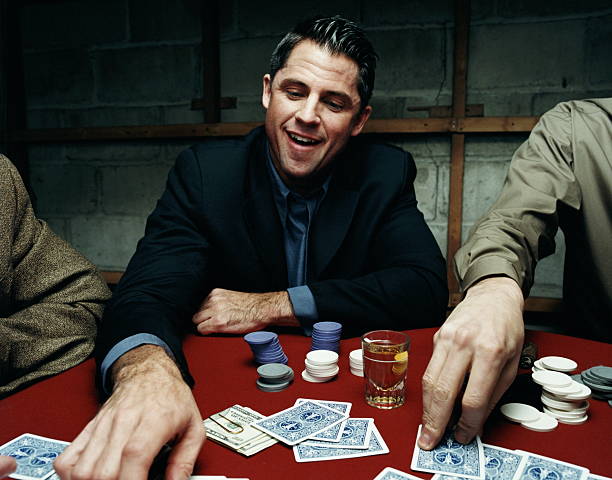
Many gamblers may deny their addiction, often rationalizing their behavior as a temporary phase or a hobby. However, the reality is that for those who have crossed the line into addiction, professional help and support systems are crucial for recovery. Programs and counseling that target behavioral therapy can be particularly effective in addressing the underlying psychological issues that fuel gambling addiction, helping individuals to understand their triggers and develop healthier coping mechanisms. Recovery is often a long process that necessitates both personal commitment and external support.
The public perception of gambling addiction is also changing, as more awareness is raised about its psychological implications. Campaigns and educational programs aim to inform individuals about responsible gambling practices, encouraging players to recognize when their habits may be becoming problematic. By fostering discussions around gambling addiction, individuals may be more inclined to seek help, paving the way for a healthier relationship with gaming and entertainment. This shift in perception can lead to better support and resources for those struggling with gambling addiction.
Understanding the casino environment
Casinos are designed to create a specific atmosphere that maximizes player engagement and minimizes the likelihood of rational decision-making. The architecture, lighting, and sound are meticulously crafted to keep players enthralled, with no clocks or windows to remind them of time passing. This immersive experience contributes to a sense of escapism, leading players to stay longer and wager more without consideration for their financial limits. The combination of sensory elements works together to create a captivating environment that can be hard to resist.
Additionally, many casinos employ strategies such as complimentary drinks and amenities to encourage prolonged play. While these perks may seem generous, they can impair judgment and lead to higher spending. The psychological impact of freebies can create an illusion of winning, prompting players to gamble more in hopes of recouping their expenses, further entrenching them in the gambling cycle. This tactic is particularly effective in keeping players at the tables and machines longer, as the initial cost of drinks or snacks is often overshadowed by the potential for winning.
To navigate the complex environment of casinos, players must remain vigilant and aware of their surroundings. Understanding the psychological tactics used to influence behavior can empower individuals to make more informed decisions. Responsible gaming practices, such as setting spending limits and taking regular breaks, can help players maintain control and enjoy their casino experience without falling prey to the psychological traps designed to ensnare them. By being proactive, players can safeguard against the risks associated with gambling while enjoying the entertainment aspect of casinos.